


A Landmark Milestone for Elephant Healthcare and Welfare in Northern Thailand
Thailand has a deep-rooted relationship with domesticated elephants, and Northern Thailand is home to more than one-third of the country’s captive elephant population. With Mae Taeng District in Chiang Mai hosting more than 400 elephants, access to specialized veterinary care has long been an important need.
Recognizing this need, the Faculty of Veterinary Medicine, Chiang Mai University (CMU) has been committed to elephant healthcare for decades. This commitment began with its Mobile Elephant Clinic, bringing veterinary services directly to elephants in remote areas.
However, when an elephant is critically ill, traveling several hours to reach a patient or transporting a sick elephant over a long distance can be a major challenge.
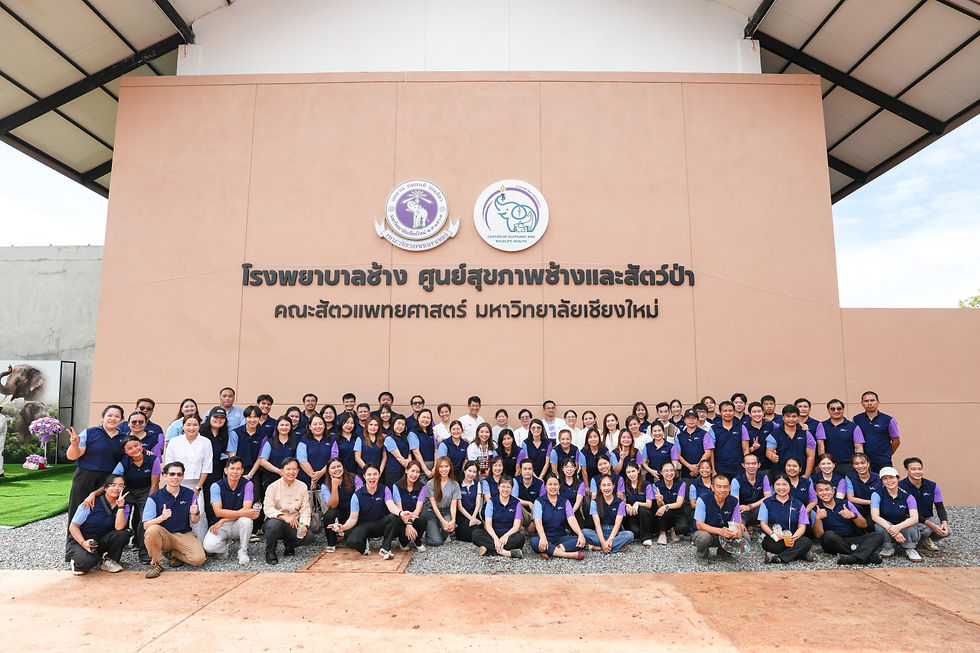
More Than 20 Years in the Making
The vision for a permanent elephant hospital began in 2004 under the leadership of Associate Professor Dr. Suwichai Rojanasthien, former Dean of the Faculty of Veterinary Medicine, CMU.
After years of exploring suitable locations and overcoming funding challenges, Mae Taeng District was selected as the strategic site. In 2019, CMU secured more than 26 rai of land from the Agricultural Land Reform Office (ALRO).
A major turning point came when Ms. Kanchana Silpa-archa donated 49.25 million THB in personal funds to support the construction, alongside additional contributions from other supporters.
The foundation stone was laid on 31 October 2025, and on 26 September 2026, the Elephant Hospital, Center of Elephant and Wildlife Health, Chiang Mai University was officially opened.
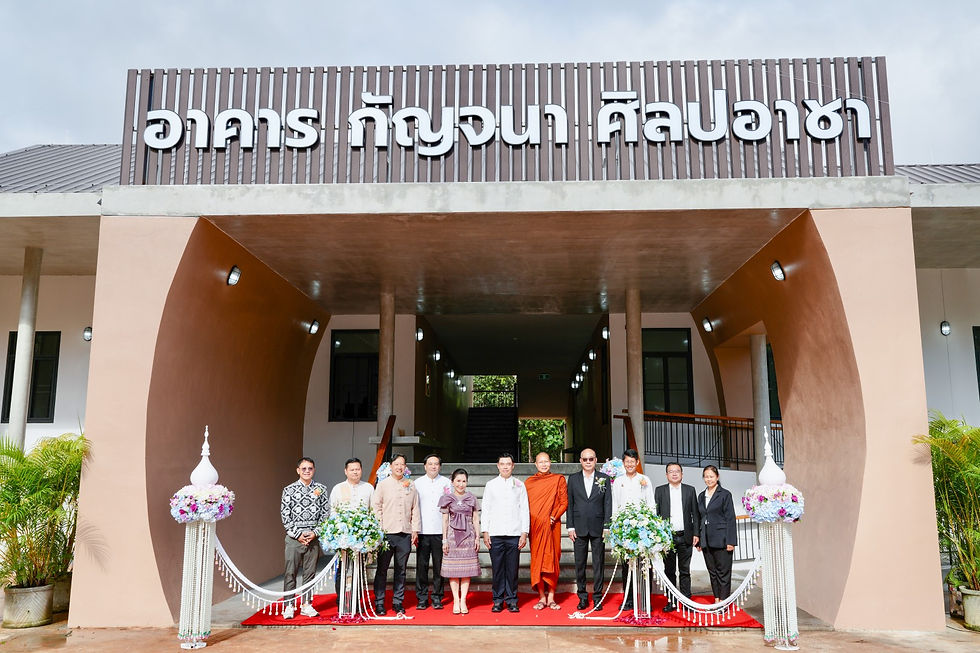
From Mobile Care to a Dedicated Hospital
The new hospital marks an important step forward in elephant healthcare, providing specialized facilities for emergency treatment, diagnostics, inpatient care, recovery, and continuous veterinary monitoring.
The main hospital building is equipped with reinforced restraining posts and a 7-ton gantry crane system to facilitate safe treatment and assist recumbent elephants.
Following treatment, the Elephant Recovery Stable can accommodate 4–5 elephants within a natural teak-grove setting, supporting natural movement, stress reduction, and physical and behavioral rehabilitation. Together with on-site veterinary staff and mahout accommodation, these facilities support continuous care throughout an elephant’s hospital stay.
But this hospital is more than a place for treatment. It is also a teaching and training center for veterinary students and professionals, as well as a platform for research into major challenges in elephant health and welfare, including EEHV, reproductive medicine, behavior, and evidence-based welfare. The knowledge generated here can help strengthen elephant healthcare and welfare practices in Thailand and beyond.
A Milestone for Elephant Healthcare
On this special occasion, Asian Captive Elephant Standard (ACES) extends its heartfelt congratulations to the Faculty of Veterinary Medicine, Chiang Mai University, on the successful opening of the Elephant Hospital. This facility represents more than a new building. It is the result of more than two decades of vision, dedication, and collaboration. Most importantly, it means that when an elephant needs help, there is now a dedicated place ready to receive them.
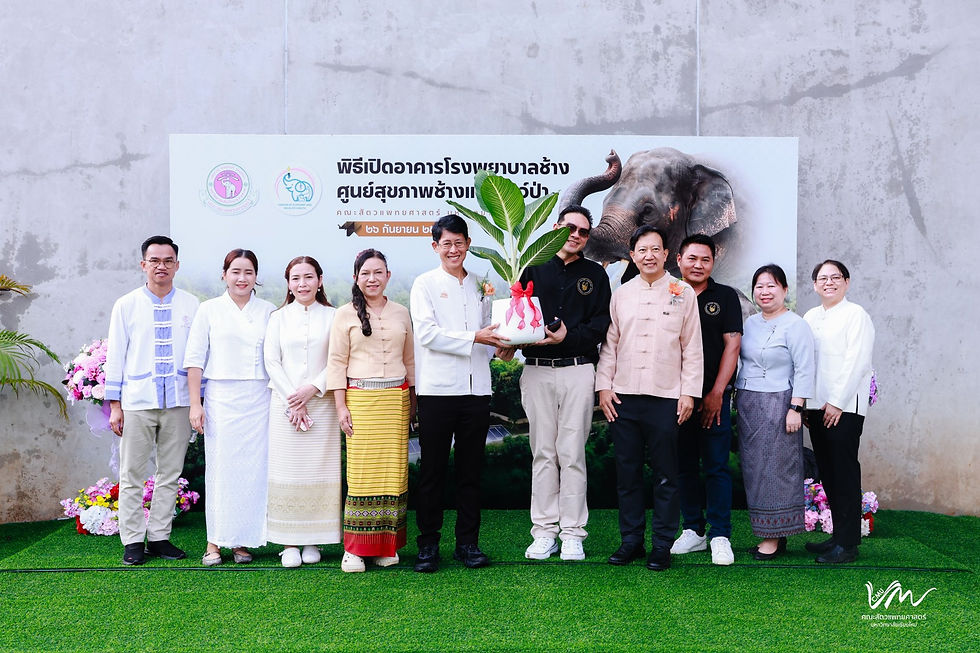
*Picture credits: Faculty of Veterinary Medicine, Chiang Mai University


Comments